
Busbar and Copper Connections
Busbars are typically made of copper or aluminum and are used to transmit high electrical currents. They are manufactured in various forms, including rectangular bars, tubular sections, or thin copper sheets. Busbars can be categorized based on their physical shape, material, and application. Some of the most significant types include:
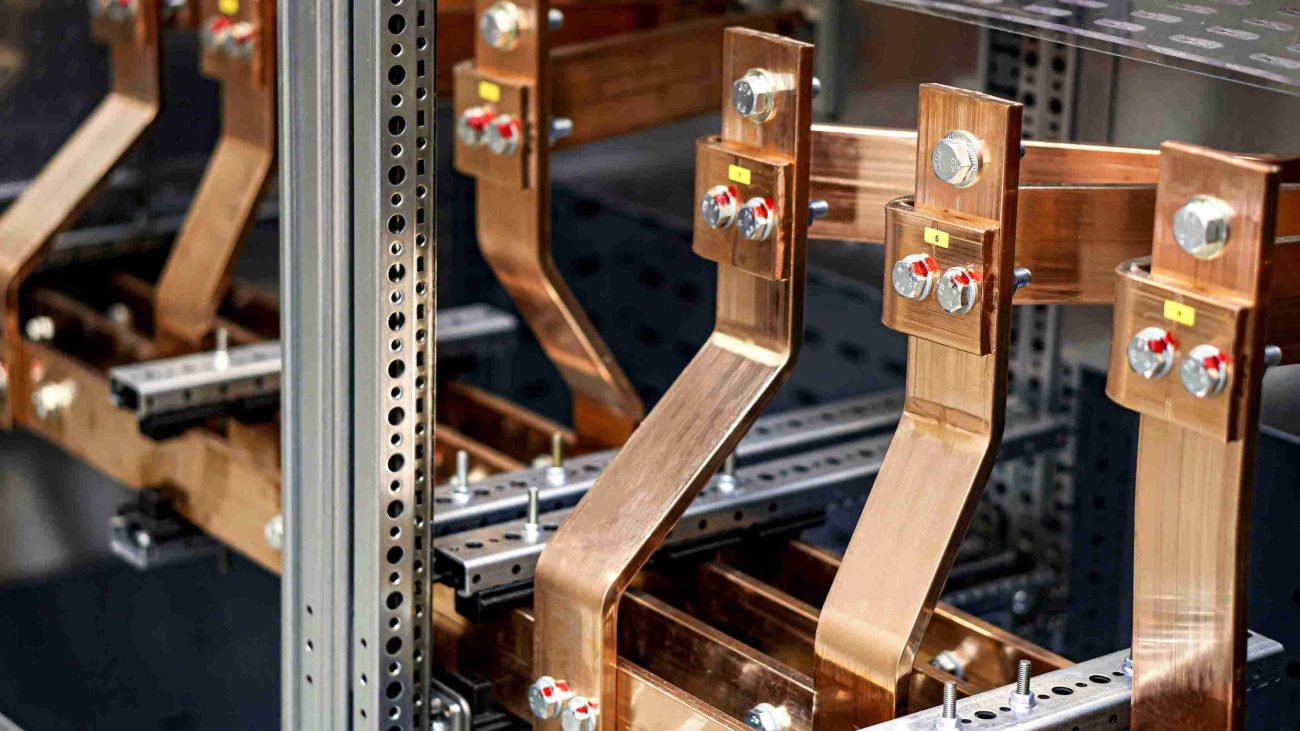
Rigid Busbar: Constructed from solid metal plates, these are used in high-voltage substations, industrial switchgear, and the secondary circuits of power transformers. Their key advantages include high mechanical strength and the ability to withstand short-circuit currents.
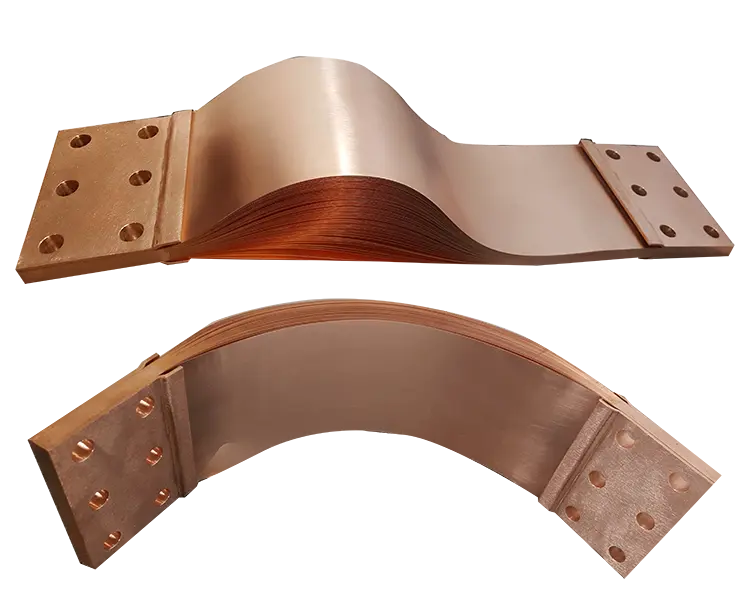
Flexible Busbar: Composed of braided copper strands or stacked thin copper sheets, these are used in environments subject to vibration (such as near transformers or generators) and are capable of absorbing thermal and mechanical stresses.
The production of busbars requires the procurement of high-quality raw materials that comply with international standards, such as IEC 61439, UL 857, and ANSI C37. The primary materials used for manufacturing busbars are 99.9% pure electrolytic copper and high-conductivity aluminum alloys. Copper or aluminum sheets of varying thicknesses are sourced based on the specific type of busbar and the required current-carrying capacity. Furthermore, the production of insulated busbars involves the use of materials such as polyvinyl chloride (PVC), polyester, epoxy, or fire-resistant powder coatings. Other components utilized in the manufacturing process include specialized adhesives, sealing tapes, heat-shrink tubing, and molded plastic parts.
West Metal Company, with its capability to design, manufacture, and install such components, caters to the needs of the steelmaking, petrochemical, and power generation industries, as well as other sectors involved in the transmission of electrical energy.